Aviation Switching Module – NSN 4920-01-250-2696 (AS-IS / Untested): Aerospace Electrical Control Component
Aviation Switching Module – NSN 4920-01-250-2696 (AS-IS / Untested): Aerospace Electrical Control Component
Blog Article
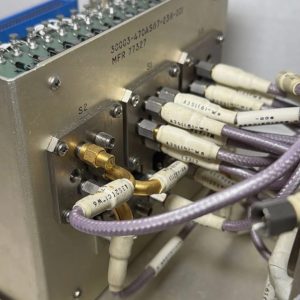
The Aviation Switching Module – NSN 4920-01-250-2696 (AS-IS / Untested) combines recognizable aviation hardware, an identifiable National Stock Number, potential electrical-control functionality, and commercial value for informed specialist buyers.
An Aircraft Switching Module may interact with test equipment, aircraft systems, electrical circuits, or support hardware, while an Aerospace Switching Module should not be energized without suitable technical information.
An Aircraft Electrical Switching Module, Aviation Electrical Control Module, Aircraft Power Switching Module, Aerospace Electrical Control Unit, and Aircraft Signal Switching Module may describe related switching or control functions, but the exact purpose of this NSN should be verified before use.
Accurate use of Aviation Control Module, Aircraft Electronic Switching System, Aerospace Switching Unit, and Aircraft Electrical Module terminology improves SEO without creating unsupported functional claims.
Key Details of the Untested Switching Module
NSN 4920-01-250-2696 should be compared with the data plate, manufacturer number, contract markings, serial number, connector layout, and available documentation on the actual unit.
An identification plate should not be removed, repainted, altered, or covered because it may provide the strongest evidence of the component’s origin.
Untested Switching Module Condition
The condition description should be understood as a limitation rather than a suggestion that the unit is probably operational.
Improper voltage, polarity, grounding, current, signal input, or connector pin assignment can damage the module and connected equipment.
Aviation Switching Hardware Uses
The product page should avoid assigning a cockpit, power-distribution, test-set, or mission-system function without evidence.
Switch movement can be checked gently for obvious binding or damage, but mechanical movement does not establish electrical operation.
Maintaining a Switching Module Assembly
The enclosure should be inspected for dents, cracks, corrosion, missing screws, altered holes, broken seals, and unauthorized repairs.
Connectors should be examined for bent pins, pushed-back contacts, corrosion, contamination, cracked inserts, damaged threads, broken keyways, missing caps, and impact marks.
Aircraft Electrical Hardware Review
An Aircraft Electrical Switching Module should be inspected for overheated areas, burned insulation, damaged terminals, loose hardware, corrosion, moisture entry, broken controls, and signs of previous disassembly.
If the enclosure is opened for professional inspection, the process should be documented with photographs and organized hardware control.
Choosing an Aviation Electrical Control Module
Professional research should occur before any attempt to connect the Aviation Electrical Control Module.
Aggressive solvents, scraping, repainting, or polishing may remove original information.
Aircraft Power Switching Module Considerations
A switch that moves normally may still contain burned, corroded, welded, or high-resistance electrical contacts.
Any successful limited test should be documented precisely without changing the overall status beyond what was actually verified.
Aerospace Electrical Control Unit Evaluation
Its internal design may include electromechanical components, solid-state devices, wiring assemblies, circuit protection, or specialized connectors.
Every repair should be photographed and recorded if the module is restored.
Signal Switching Module Inspection
An Aircraft Signal Switching Module may route low-level, control, communication, measurement, or test signals between compatible equipment channels.
Missing or corroded bonding components may affect noise, interference, or reliability.
Professional Aviation Module Evaluation
An Aviation Control Module Aerospace Switching Module should be treated as one component within a larger system rather than a standalone universal controller.
Inspection tags, modification plates, repair labels, and revision marks can provide important information.
Aircraft Switching Unit for Maintenance or Restoration
The unit can provide parts, reference information, display value, training opportunities, or a candidate for professional restoration.
Training use should avoid destructive modifications when the component has collectible or restoration value.
Choosing an Aerospace Power Distribution Module
A module should not be loaded electrically until contact condition, insulation, wiring, and circuit configuration are understood.
Additional mounting holes should not be drilled until the component application is established.
Control Unit Connector and Switch Review
The inspection should distinguish cosmetic wear from damage that may affect electrical operation or mounting.
Limited testing should not be described as complete serviceability verification.
Aviation Power Control Module Uses
The seller should avoid presenting the module as compatible with commercial aircraft, helicopters, military aircraft, or UAVs without evidence.
Power-control components may retain electrical energy or contain circuits requiring special handling depending on internal design.
Maintaining Aerospace Switching Equipment
A systems approach supports more accurate troubleshooting and restoration.
A replacement AS-IS unit may provide useful comparative parts but should not be installed without evaluation.
Preserving Military Aviation Equipment
Connector caps should remain fitted, and the module should be supported without placing pressure on switches, knobs, cables, or mounting brackets.
Loose accessories should be wrapped separately and inventoried before packaging.
Evaluating Surplus Aerospace Equipment
The potential cost of connectors, manuals, test equipment, repairs, components, and specialist labor should be included in the buying decision.
Unknown information should remain clearly identified as unknown.
Evaluating an AS-IS Aircraft Switching Unit
The buyer should request enough information for an aviation electronics technician, aerospace-equipment specialist, or experienced surplus buyer to evaluate the unit.
- Request photographs of all labels, switches, controls, connectors, mounting points, enclosure surfaces, seals, fasteners, and included accessories.
- Inspect the enclosure for dents, cracks, corrosion, missing screws, altered holes, broken seals, damaged brackets, and signs of previous opening.
- Require packaging that protects connectors, switches, labels, enclosure corners, mounting brackets, controls, and loose accessories from movement and impact.
Testing the Aviation Switching Module
The module should not be powered until input requirements, polarity, grounding, circuit protection, and expected loads are understood.
Partial operation should not be presented as complete certification, calibration, or airworthiness.
Aircraft Electrical Module Repair Planning
Temporary substitutions should not become undocumented permanent repairs.
Every repair should record the date, technician, fault found, parts replaced, measurements, testing performed, and remaining limitations.
Aviation Switching Module Conclusion
The Aviation Switching Module – NSN 4920-01-250-2696 (AS-IS / Untested) may suit aviation workshops, military-surplus collectors, aerospace technicians, educational programs, equipment restorers, and specialist parts buyers.
An experienced aviation-electronics technician should assess the module before it is powered, installed, or connected to other equipment.
Whether the product is described as an Aircraft Switching Unit, Aerospace Power Distribution Module, Aircraft Electrical Control Unit, or Aviation Power Control Module, AS-IS limitations should remain clear.
With prompt attention to switches, connectors, wiring, enclosure condition, corrosion, labels, and internal components, the module can preserve its technical and commercial potential.
Report this page